


Japanese idioms(慣用句・ことわざ・四字熟語)
There are a few different types of Japanese idioms.
They can be 慣用句(かんようく), ことわざ or 四字熟語(よじじゅくご).
慣用句 means 'a phrase that is often used'.
The English word for ことわざ can be 'saying' or 'proverb'.
四字熟語 is an idiom which is composed of four Kanji symbols such as '一石二鳥'.
The difference does not matter when you use them.
Some of them were brought into Japan from other countries.
雀(すずめ)の涙(なみだ)
| Translation | Sparrow's tear |
| Meaning | a trifling amount of (something) |
| English idiom | chicken feed |
| How to use(使い方・つかいかた) |
今年(ことし)も景気(けいき)が良(よ)くない。ボーナスは雀の涙ほどだった。
 涙
涙
猿(さる)も木(き)から落(お)ちる
| Translation | A monkey falls from a tree |
| Meaning | Even an expert could make a mistake |
| How to use(使い方・つかいかた) |
「横綱(よこづな)が20連敗中(れんぱいちゅう)の関取(せきとり)に負(ま)けたよ。」
「へえ、そうなんだ。猿も木から落ちるだね。」
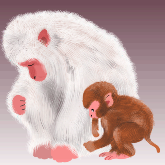 猿
猿
漁夫(ぎょふ)の利(り)
| Translation | A fisherman caught a clam and a snipe when he saw them fighting each other. |
| Origin | China |
| Meaning | To make two people compete with each other to get an advantage for yourself |
| English idiom |
|
| How to use(使い方・つかいかた) |
ライアンはドラゴンズかジャイアンツに移籍(いせき)すると思(おも)われていた。
しかし両(りょう)チームとの交渉(こうしょう)は失敗(しっぱい)し、結果(けっか)としてタイガースが漁夫の利を得(え)ることになった。
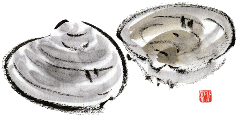 蛤(はまぐり)
一石二鳥(いっせきにちょう)
| Translation | Kill two birds with one stone |
| Origin | U.K. |
| Meaning | To solve two problems at one time with a single action |
| How to use(使い方・つかいかた) |
今(いま)まで車(くるま)で通勤(つうきん)していたが、自転車(じてんしゃ)で行(い)くことにした。
ガソリンは減(へ)らないし、運動(うんどう)になるし、一石二鳥だ。
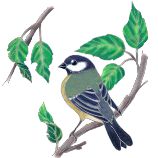 鳥(とり)
鳥(とり)
鬼(おに)の居(い)ぬ間(ま)に洗濯(せんたく)
| Translation | To launder mind when the devil is away |
| Meaning | When a person in authority is away, those under ther person's rule will enjoy their freedom. |
| English idiom | When the cat is away, the mice will play |
| How to use(使い方・つかいかた) |
「明日(あした)からお父(とう)さんが一週間(いっしゅうかん)出張(しゅっちょう)だって。」
「じゃあ鬼の居ぬ間に洗濯だね。リラックスできる。うれしいー!」
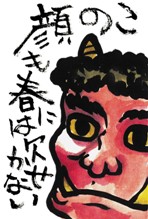 鬼
鬼
百聞(ひゃくぶん)は一見(いっけん)に如(し)かず
| Translation | To see once is better than hear a hundred times |
| English idiom | Seeing is believing. |
| How to use(使い方・つかいかた) |
「多(おお)くの人(ひと)がタイタニックはいい映画(えいが)だって言(い)ってるけど、本当(ほんとう)にそうなのかな。」
「百聞は一見に如かずだよ。じゃあ、今度(こんど)の週末(しゅうまつ)に一緒(いっしょ)に見(み)ようよ。」

馬耳東風(ばじとうふう)
| Translation | east wind through the horse's ear |
| Note | Peoeple are happy and comfortable when they feel spring wind that comes from east (in China). A horse would not feel as they do with the breeze. |
| Origin | China |
| Meaning | To ignore what someone is saying |
| English idiom | To turn a deaf ear to something |
| How to use(使い方・つかいかた) |
兄(あに)はとても自信(じしん)がある人(ひと)で、東大(とうだい)に入(はい)って弁護士(べんごし)になりました。私(わたし)は兄を尊敬(そんけい)しています。
しかし、馬耳東風なときが結構(けっこう)あるので、それはなおしてほしいです。

知(し)らぬが仏(ほとけ)
| Translation | Not to know is to be a Buddha. |
| Note | You can be calm without any worries as Buddha is, because you don't know it. |
| Meaning | Not knowing something is often more comfortable than knowing it. |
| English idiom |
|
| How to use(使い方・つかいかた) |
旦那(だんな)の携帯(けいたい)は見(み)ないほうがいい。知らぬが仏だよ。




